





Hot tub pricing in the UK 2026: Quick summary
Acrylic shell hot tubs in the UK typically range from less than £5,000 to more than £26,000, and the difference comes down to materials, insulation, performance, technology, manufacturing standards and aftercare support. Paying more can mean better build quality, stronger hydrotherapy, improved energy efficiency and longer warranties, while lower-priced models often reduce costs through simpler features, materials or support structures.
Running costs usually range from £35–£75 per month depending on usage, insulation and energy tariffs. The key isn’t choosing the most expensive or the cheapest hot tub – it’s understanding where the price differences come from and selecting the model that matches your expectations for comfort, longevity and ownership experience.
Why can one hot tub cost less than £5,000 and another more than £29,000? And what actually makes the difference?
The difference is in the variables. When it comes to hot tubs, there’s many to consider – the quality of materials used to hot tub design, type of control system and many factors in between! However, as you should learn from this article cost and quality aren’t the same thing.
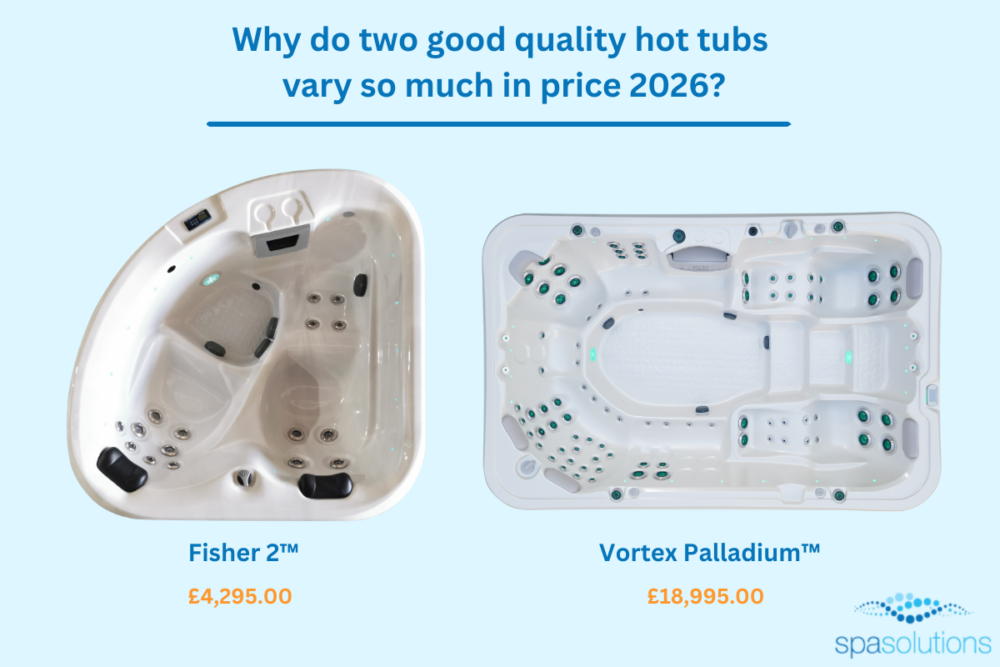
With nearly 25 years in the hot tub industry and having worked with many hot tub brands and companies, I can confirm paying slightly less for a hot tub can mean fewer bells and whistles, but it doesn’t necessarily mean you are compromising on a ‘good quality hot tub’.
In this article I’ll define what impacts hot tub pricing, how much hot tubs brands distributed by Spa Solutions cost, price ranges for hot tub brands available in the UK, provide a case study comparison of two hot tubs I distribute and tackle some of our most commonly asked pricing questions.
This should help you feel better informed about hot tub pricing as you take your next steps in your hot tub buying journey.
Disclaimer:
This article is based on my learnings and experiences of nearly 25 years in the hot tub industry and working with many hot tub manufacturers and brands. Spa Solutions – a distributor of hot tubs, swim spas, saunas, ice baths and commercial spas is based in Kettering, and became a limited company in 2004.
Price and percentage approximations are estimates based on my industry experience. My estimations were as accurate as possible on January 29, 2026 and could change without notice, based on several factors including inflation and market demand.
In this article you will learn:
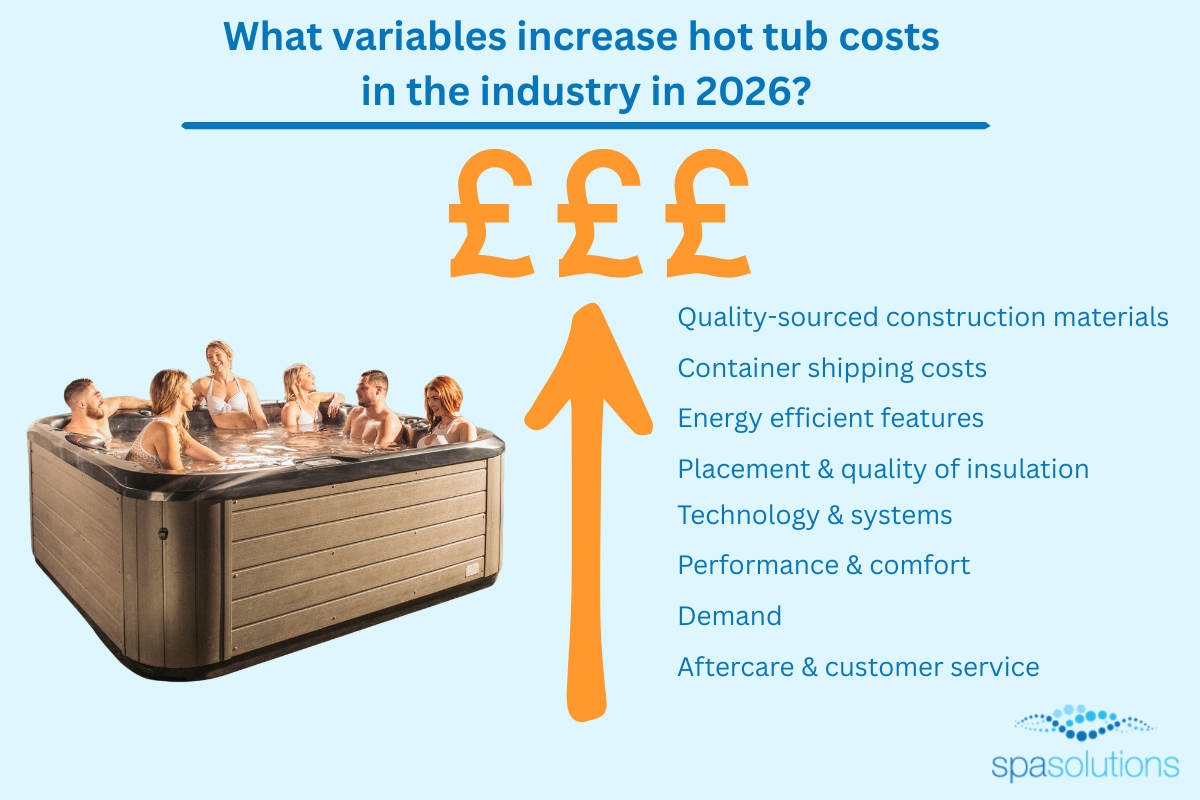
What drives hot tub costs in the industry up?
Do quality-sourced raw materials add much to the hot tub price?
Yes, higher-quality materials can increase the upfront cost of a hot tub by around 20% to 25%, but they also improve the hot tub’s lifespan, performance, and overall comfort.
The materials and components used in a hot tub’s shell, frame, insulation, and cabinetry directly affect how well it performs over time. Cheaper materials may reduce the purchase price, but they often lead to higher maintenance costs and a shorter user life.
Examples:
- Premium acrylic shells like US aristech acrylic can resist cracking, fading, and wear
- Stronger frames such as those made of injection moulded plastic can improve the hot tub’s structural integrity and longevity
- Better quality insulation fitted to key areas that can lose heat such as the cover, cabinet, shell and base
How does container shipping affect the cost of a hot tub?
Container shipping rates fluctuate throughout the year and can add between £500 to £1,500 to the price of a hot tub.
Size dependent, you can fit 12-13 small to medium sized hot tubs in a container. Fewer hot tubs per container can drive up prices, as can:
- Port congestion
- Delays
- Inflation
- Pandemics
- Trade tensions and changes
Does insulation and energy efficiency drive up hot tub prices?
A hot tub equipped with a higher level of materials and systems that help conserve heat could add approximately £1,000 t0 £2,000 to the price of the hot tub.
On a positive note, you should be able to recoup the cost of paying a bit more for these features, as you save money on your energy bills. Effective hot tub insulative materials and systems you’ll come across on the market include:
- Spray foam insulation applied to the back of the shell, cabinet and base
- A shrink-seal cover to prevent heat loss from the top of the hot tub
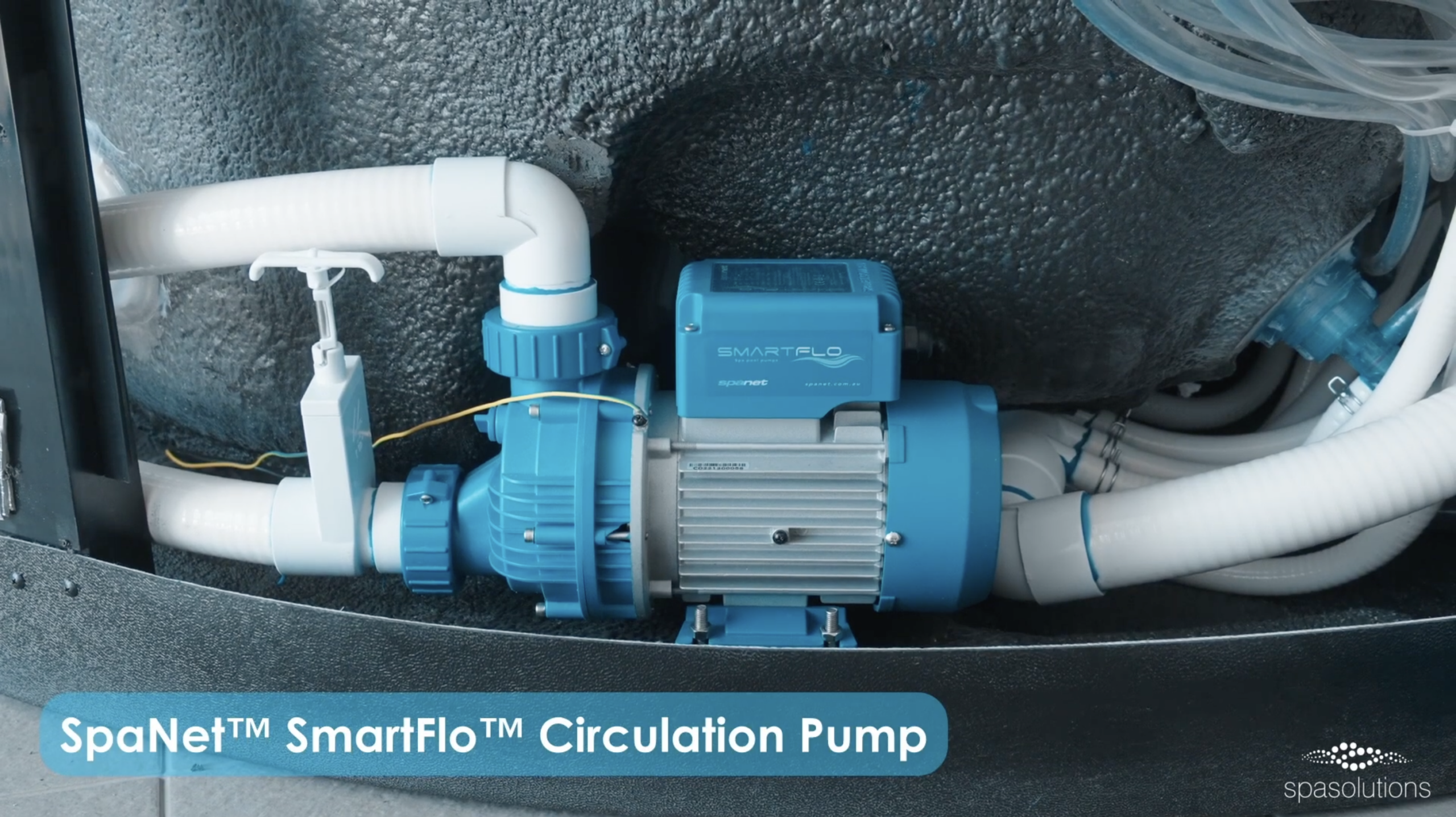
- Pumps that look after heating and filtration, which can be programmed to run at times of the day when energy is at its cheapest.
Can the level of control system technology affect the hot tub price?
Yes, if a hot tub is fitted with more advanced technology, it will likely be included in the upfront cost. If you compare a hot tub with a very basic control system to a hot tub of similar size fitted with an advanced control system, the price of the hot tub could increase by 50% or more.
“Make sure to ask your hot tub retailer what features and benefits the control system can offer you. This will help you work out if paying that extra bit more is worth it for you.” Anthony Schneikert - Spa Solutions Managing Director.
Anthony Schneikert
The following control system examples may bump up the upfront cost of buying a hot tub, but they offer convenience, added luxury and can lead to lower running costs.
- Smart controls that allow you to control and monitor your hot tub remotely
- Effective multi-stage water control systems keeping the water clean and clear
- Programmable filtration cycles that can run at low-cost power usage times
- Control panels with touch-screen colour interfaces vs a basic push-button panel
- Bluetooth® speakers you can connect your smart device to listen to your favourite music or podcasts
Does performance and comfort have an impact on the overall hot tub cost?
Yes, the retail price on hot tubs at the higher end of the capability scale can cost
£1,000.00 to £2,000 or more, compared to lower performing options.
You can expect to pay more for a higher performing hot tub. Performance is based on the technology, quality and design of the components, most importantly jet design, hydromassage pumps and plumbing.
If better-quality hydromassage and a variety of comfortable seats to relax in is a top priority, you may find value in budgeting for this extra cost.
Examples:
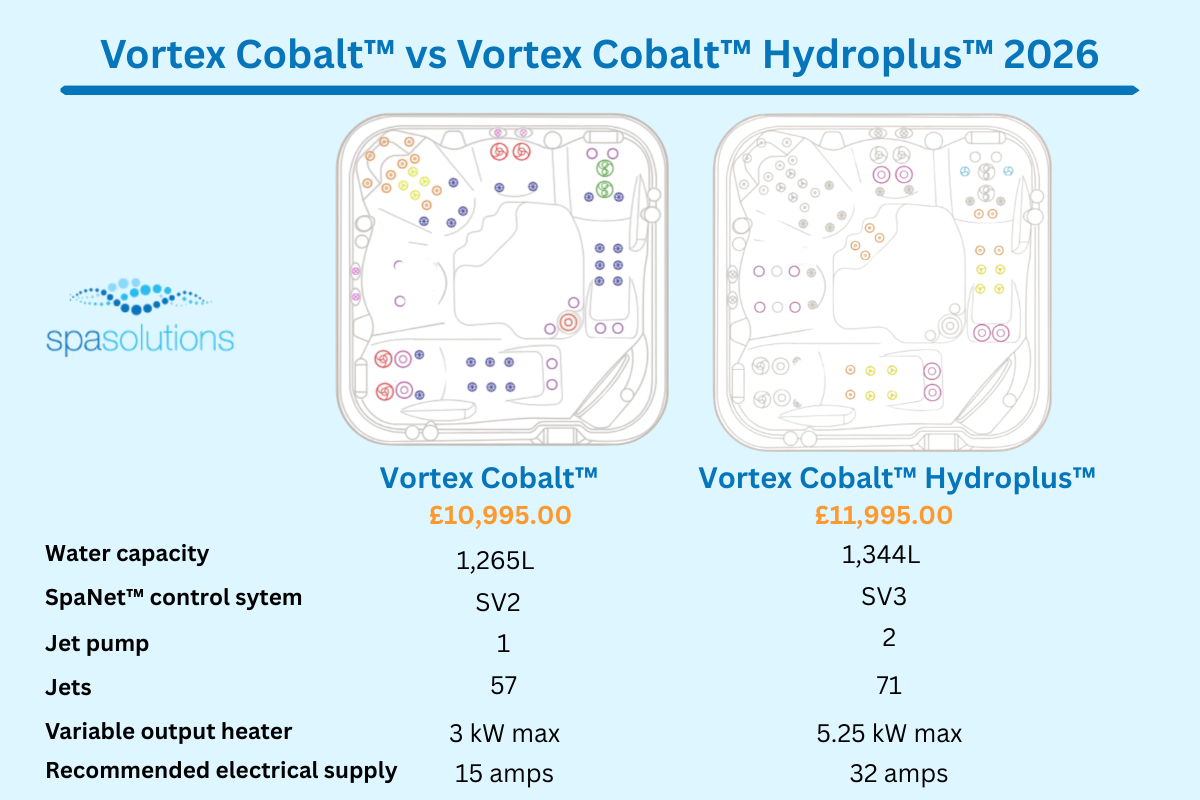
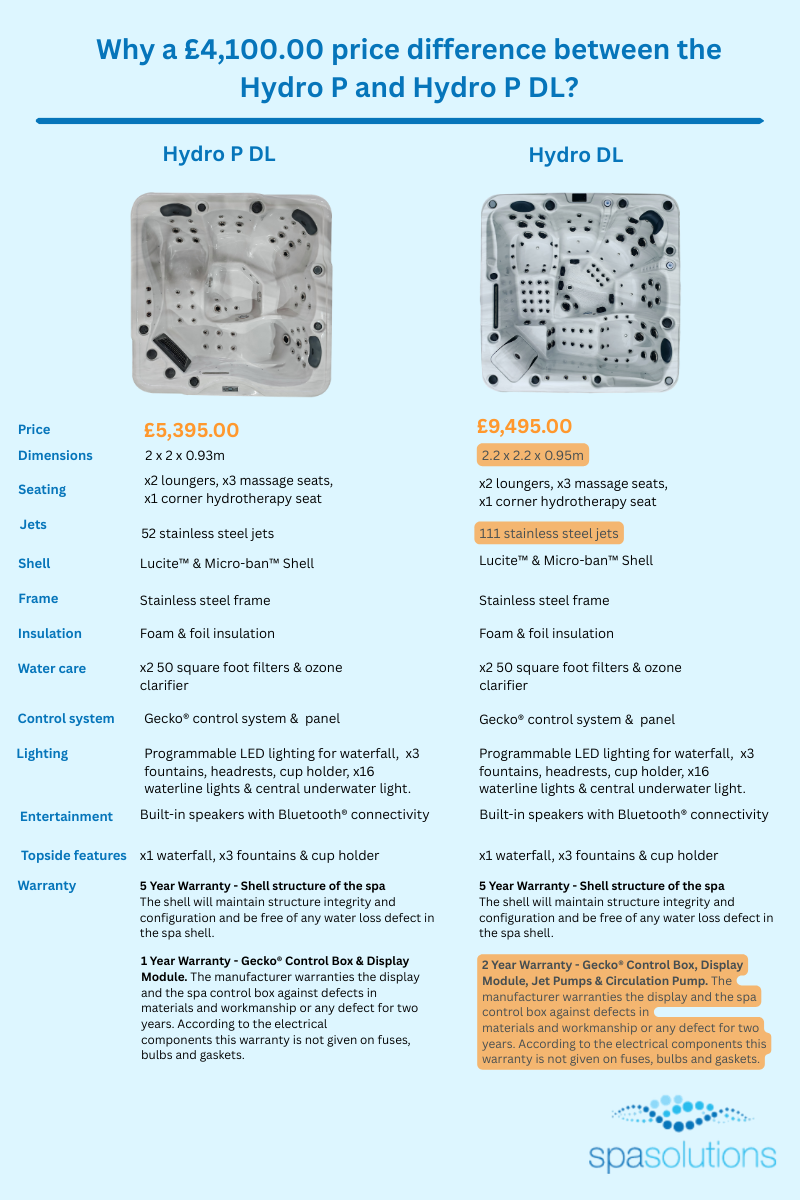
- If the hot tub features more jets, it may be fitted with extra jet pumps e.g. the Hydroplus™ models in the Vortex Spa™ range. See below for a price difference of £1,000 for the Cobalt™ Hydroplus™ model
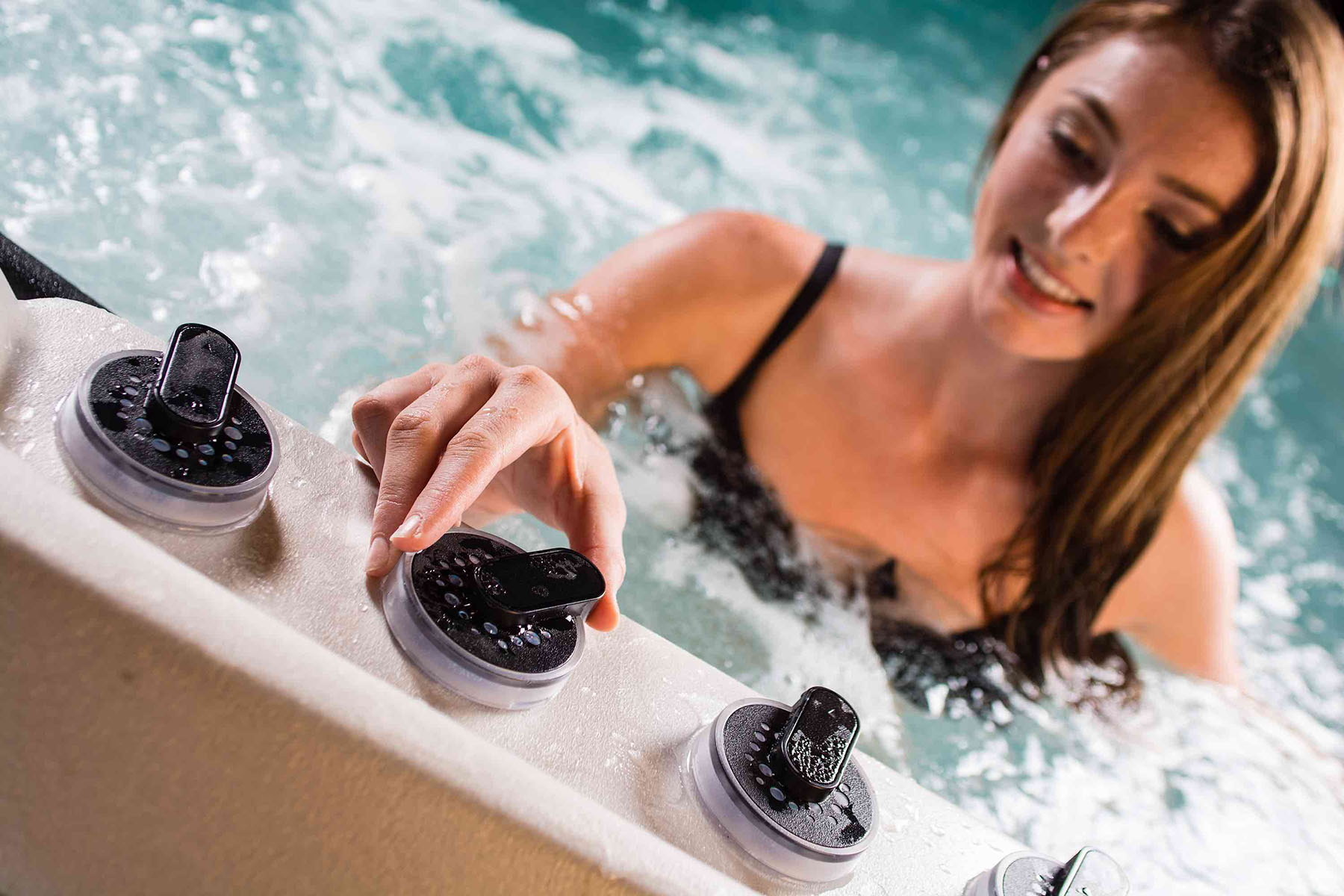
- The jets may be interchangeable i.e. you can customise the jet types within your seat for a more personal massage experience
- The seats may be more contoured so you feel you’re in your own therapy lounger or upright seat, rather than a simpler bench seat.
If there is greater demand for the hot tub – will it cost more?
Yes, if there is demand for a hot tub in low supply, or there is general demand for it, it may increase the price.
How does aftercare and customer service affect hot tub pricing?
If a hot tub company you buy from offers quality aftercare and customer service that garners positive reviews, you can generally expect the hot tub to have a higher price tag as it will absorb some of the cost for the company to pay the employees.
What drives hot tub costs in the industry down?
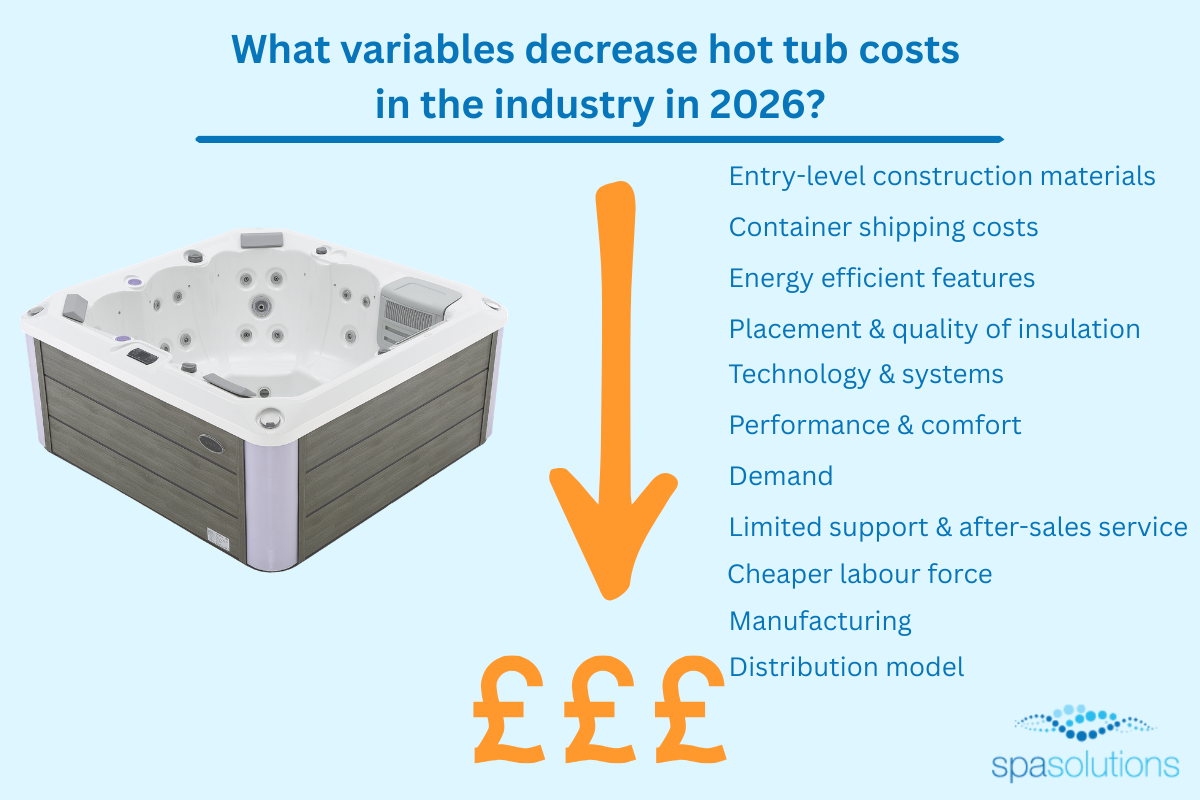
Can using cheaper raw materials affect hot tub pricing?
A hot tub made of entry-level materials can affect pricing.
The greatest price tag drop will be reflected in a larger hot tub made with entry-level materials. That’s because a larger hot tub uses more components, so material cost savings add up faster.
Imagine a hot tub made with:
- Lower-quality shell material
- Poor-quality insulation
- Untreated wooden frames
- Plumbing components that aren’t designed for hot chemically-treated water
A hot tub like this may cost less to buy, but you could face more frequent repair jobs, replacing parts, higher running cost and a shorter hot tub lifespan.
Does the use of lower quality insulation and energy efficient features make hot tubs cheaper?
Yes, while insulation is generally not a pricey material to add to a hot tub, you’ll find hot tubs with minimal, poor-quality or no insulation materials and energy-saving systems could drive the hot tub price down by approximately £500 to £1,000.
However, hot tubs that lack in this department could cost you more over time in the form of higher energy bills.
Will a lower level of performance and comfort affect the hot tub price?
Yes, choosing a hot tub with fewer jets and simpler features, such as a lower-spec model within the same manufacturer’s range, can reduce the retail price by around £1,000.
Will falling container shipping costs drive hot tub costs down?
Yes, if a hot tub company isn’t forking out more money than planned for shipping costs, it shouldn’t influence a price increase.
How does a cheaper labour force influence hot tub costs?
Yes, hot tubs manufactured using a cheaper labour force or fewer labour personnel can cost less upfront. I estimate this can reduce the retail price by approximately 30% to 35%.
It’ll come as no surprise that labour is a significant part of hot tub manufacturing, particularly when it comes to shell finishing, plumbing, electrics and quality control. So when labour costs are lower, it reduces the production costs for the manufacturer.
This can lead to:
- Lower wages in certain manufacturing regions
- Fewer manual quality checks can lead to faster production times
- Reduced investment in specialist training
- Less time spent on finishing, testing and inspection
Can lack of demand for hot tubs drive down prices?
Yes, when demand for hot tubs drops, prices can become more competitive to encourage sales. Hot tub prices can drop by approximately £1,000 to £3,000.
Like the majority of industries, supply and demand is a key influencer in hot tub pricing. During quieter periods or when stock levels are high, manufacturers and retailers may reduce hot tub prices to maintain sales volume.
This typically happens when:
- Consumer demand softens after peak buying periods
- Excess stock needs to be moved as it’s a cost to store them
- New models are being introduced and older ranges are phased out
- Market conditions change (e.g. economic uncertainty)
How does manufacturing affect hot tub pricing?
Manufacturing methods can influence whether a hot tub sits at the premium or entry-level end of the market.
For example, some manufacturers prioritise speed and volume and others will focus on precision, testing and long-term performance. These decisions can directly affect cost.
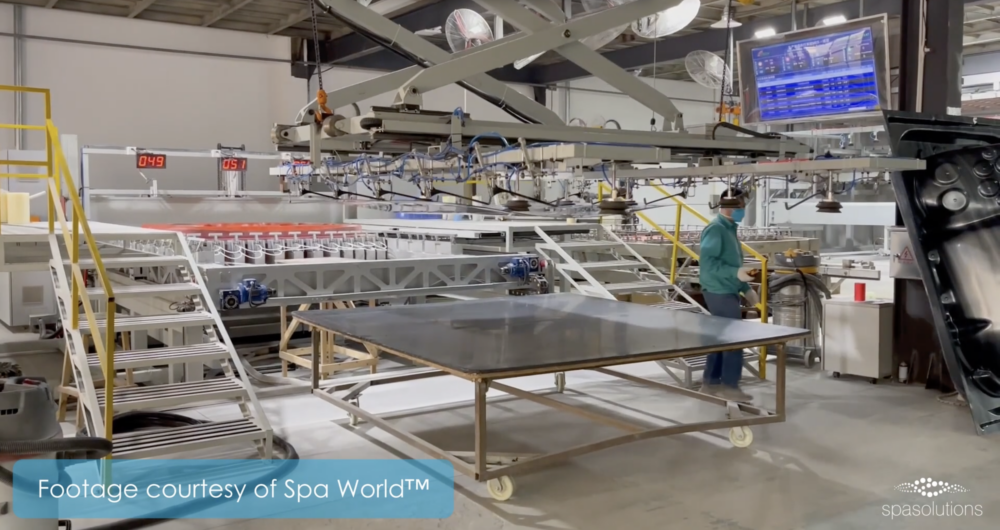
Examples of manufacturing decisions that can lower the price of a hot tub:
- Fewer quality control checkpoints
- Shorter curing and testing times for hot tub shell production and water leakage checks
- Cost-led rather than quality-led component sourcing
How does limited support and aftersales reduce hot tub prices?
Hot tubs sold with minimal support and aftercare for customers are often cheaper to buy because the hot tub company is investing in fewer resources beyond the sale.
Aftercare, technical support and servicing infrastructure is an investment and when these are stripped back or removed, this can lower the hot tub price.
Wondering what limiting resources can result in?
- Shorter or restricted hot tub warranties
- Minimal customer service teams
- Less guidance from the hot tub retailer during installation and ownership
How can the distribution model influence hot tub pricing?
Yes, selling hot tubs through low-cost or direct distribution channels can impact price to some degree.
How a hot tub reaches the end customer has a big impact on cost. Lower overhead costs and therefore lower price tags can be achieved by:
- Direct-to-consumer sales models
- Online-only retailers
- Self-managed delivery and installation
“If a hot tub customer buys from a wholesaler, they could save around 20% off the purchase price, but they may not get the level of aftercare or support they would receive from a retailer.”
Anthony Schneikert
The tradeoff for a lower price tag may mean the customer takes on more responsibility for setup, servicing and future after-sale support.
Why are some hot tubs expensive to buy?
Hot tubs can be more expensive to buy because they’re built, tested and supported for long-term ownership.
These hot tubs will generally be more enjoyable to use, more energy efficient to run and more reliable over time. A quality, well-looked after hot tub can last 20 years or more.
Hot tubs tend to be more expensive to buy because they offer:
- An established brand behind the hot tub, often with a proven track record and reputation to protect.
- Higher-quality technology and equipment, particularly for water and air jets, watercare, control and heating systems.
- Longer manufacturing times, allowing for careful assembly, curing and testing.
Higher-grade components used throughout the shell, plumbing, electrics and control systems. - High standard of build quality focused on durability rather than speed of production.
- Multiple stages of quality control and water testing before the hot tub leaves the factory.
- After-care support where you can still receive a helping hand from the team you bought the hot tub from.
Why are some hot tubs cheap to buy?
Some hot tubs are cheaper, or more affordable to buy because costs have been reduced from design and production to after-care services.
Lower-priced hot tubs can be appealing, especially when comparing headline prices online. However, these savings are usually achieved through simpler design choices, reduced materials, and limited support beyond the initial sale.
Hot tubs are often cheaper to buy because of:
- Lesser-quality components and materials are used to reduce manufacturing costs
- Unbranded, small reputation and only sold online without the ability to view or test before buying
- Basic designs with fewer features, simpler seating layouts and limited hydrotherapy options
- Shorter manufacturing time with fewer quality control and testing stages
Reduced warranties or exclusions which can limit long-term buyer protection - Minimal aftersales support = less overheads
Buyer tip: A lower purchase price can suit some buyers and to be clear – can’t be generalised to be a red flag or something to avoid, but it’s definitely worth doing some digging and understand where the savings come from, what this may mean over time and if you’ll get the satisfaction and enjoyment you want from this more affordable option.
How much do hot tubs distributed by Spa Solutions cost?
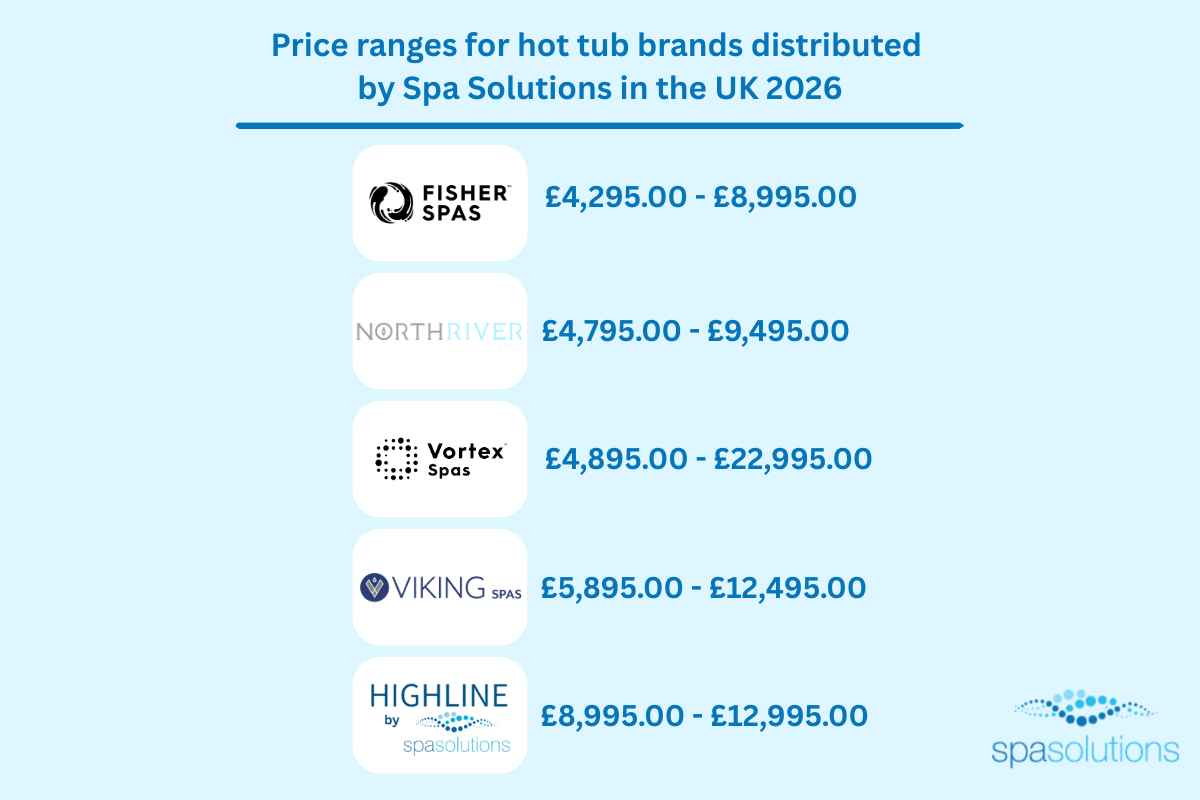
The hot tub brands we either manufacture and / or distribute at Spa Solutions range in price from £4,295.00 to £22,995.00.
How much do hot tubs cost in the UK 2026?
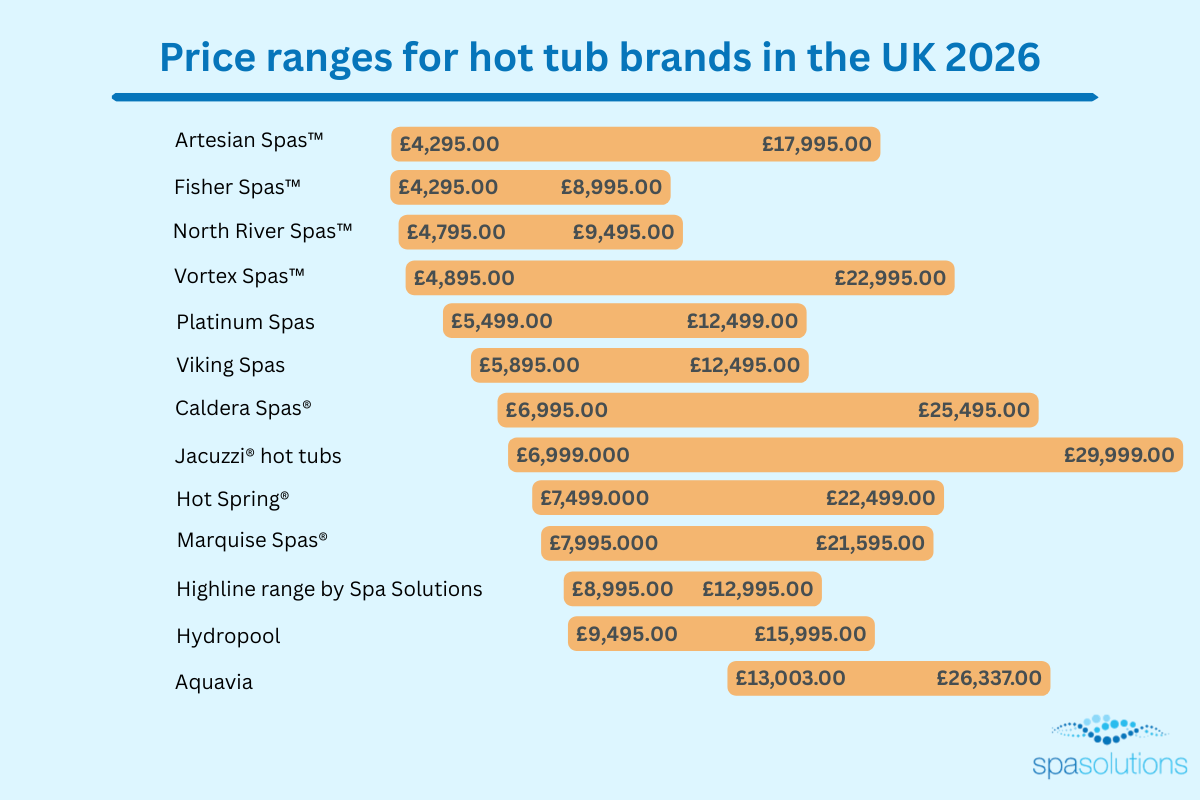
Disclaimer: Price ranges were accurate at the time of writing this article (January 20, 2026) and may change without notice. Pricing was sourced from the brand website in the UK. If pricing wasn’t available, pricing was sourced from one of the brand’s UK retailers who display pricing on their website.
What packages are available when you buy a hot tub in the UK?
There’s no single standard package when buying a hot tub in the UK. In my experience, manufacturers often recommend a core package, which is then adapted by distributors or retailers to suit their customers, service offering and local setup requirements.
A hot tub sold with a core package may include the following accessories to help the new hot tub owner get themselves up and running:
- A fitted, insulated hot tub cover
- Steps to safely enter and exit the hot tub
- A cover lifter to make opening and closing the cover easier and safer
- A chemical starter kit to get the hot tub up ready for use
What are the running costs vs initial cost of buying a hot tub to keep in mind?
Owning a hot tub requires an upfront purchase cost and ongoing running costs over its lifetime.
“Hot tub usage is a bit like running a car. If you’re using a car 7 days a week, 100 miles a day, there’ll be more wear and tear than if you use the car twice a week.”
Anthony Schneikert
The initial cost covers the hot tub itself and everything needed to install and use it safely from day one.
Upfront costs typically include: the hot tub and cover, delivery, installation, property preparation and essential accessories.
Running costs are the ongoing expenses required to operate the hot tub, such as electricity for heating and filtration, plus regular chemical use.
Additional costs may arise annually or occasionally, including professional servicing and replacing worn items like filters or covers. Running costs vary depending on usage, water temperature, energy tariffs and the time of year.
“For example, to keep a hot tub at 38 degrees, as opposed to 36 degrees is going to cost a lot more, significantly more.”
Anthony Schneikert
Can you purchase a hot tub on finance?
Yes, finance packages for hot tubs are available and options offered will vary by retailer. Generally speaking, purchasing a hot tub on finance is becoming more costly as the rate of borrowing increases year on year.
Hot tub pricing FAQs
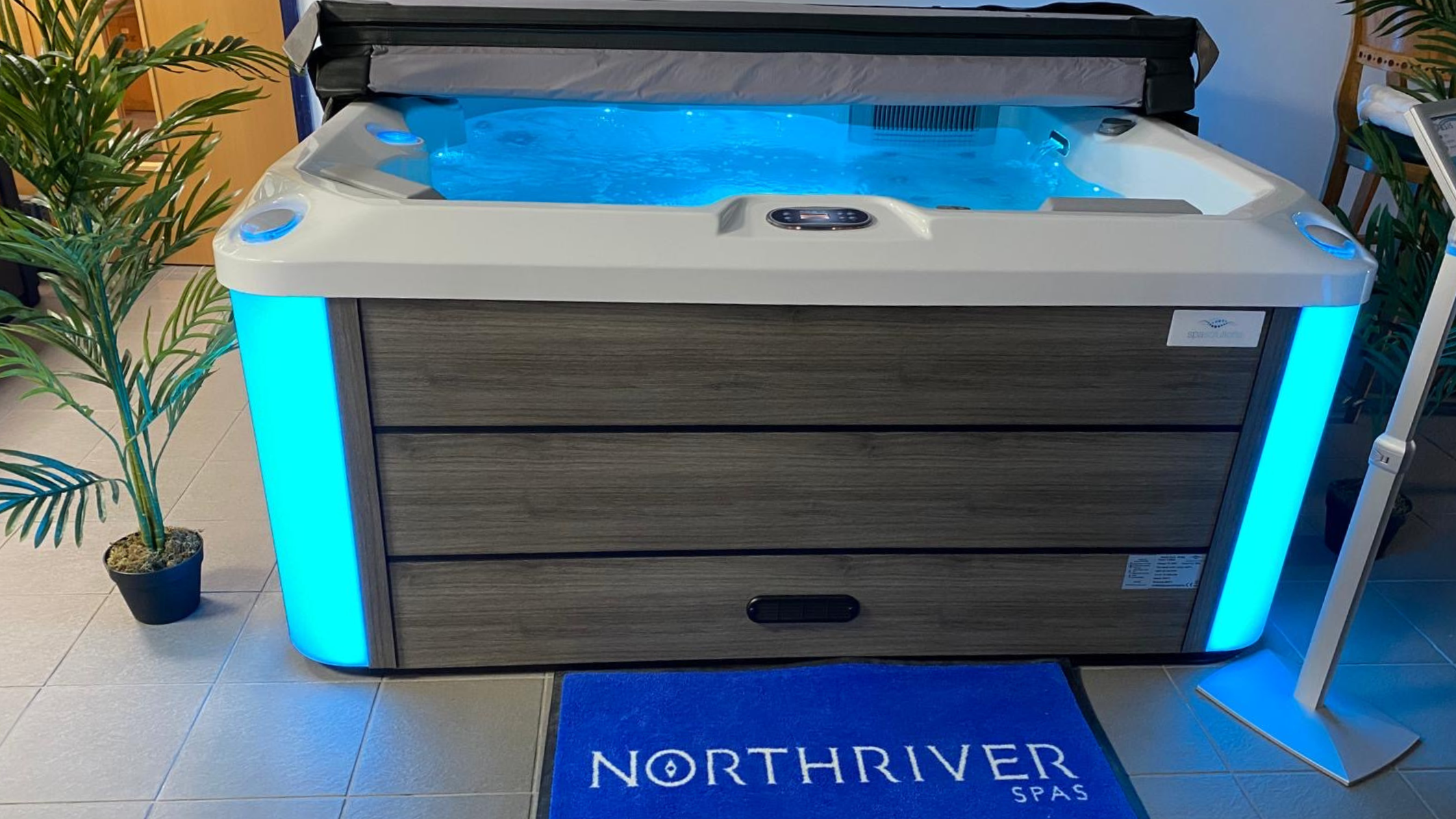
“There are multiple hot tub brands on the market offering entry-level products that are still equipped with energy saving features - for example the lowest price models in the Hydro series in the North River Spas range (£5,395.00) are fitted with foam and foil insulation to key heat-loss areas inside the cabinet, thermal insulation cover, as well as a circulation pump that looks after heating and filtration."
Anthony Schneikert
How long should a good quality hot tub last?
If a hot tub is serviced, maintained and well looked after, a hot tub made of quality materials can last 20 years or more.
Can a hot tub add value to a home or holiday property?
Yes, a hot tub can add value to a home or holiday property. It can definitely increase its appeal to interested buyers or guests by making the property more attractive, standing out in a competitive market and being a focus feature of an outdoor space. However it’s not always a given that the addition of a hot tub will lead to a higher property sale or nightly rate.
What should I check before buying a hot tub, to avoid hidden costs?
If there are two checks you should make before buying a hot tub to avoid unwanted hidden costs, I strongly recommend they be:
- Find out what is included in the warranty term of your hot tub.
For example if parts and labour are covered, or just parts only. I’d also check if travel costs by the service-people to reach you are charged to you. This is particularly important when you’re ordering a hot tub online and may not be speaking face-to-face with a salesperson.
2. Research the reputation of the company you’re buying from.
I’d also suggest you read up any reviews and customer testimonials you can find about the hot tub brand or retailer. This helps you understand before making a big investment if previous customers have had a positive or negative buying experience.
“While no place you buy a hot tub from will be absolutely perfect, if through your research you learn of poor customer service or difficulty receiving help after your hot tub delivery, delays in repair or warranty work or unbalanced reviews (e.g. vague or overwhelmingly positive) - you may want to explore other options”,
Anthony Schneikert
Summary
By reading this article, you will understand that a hot tub with a more expensive price tag doesn’t automatically mean a better hot tub, and a lower price isn’t necessarily a red flag – what’s important is whether the hot tub aligns with your expectations around performance, usability, running costs, maintenance and lifespan.
As this article should demonstrate, a hot tub with a price tag at the lower end of the scale may not have all the bells and whistles you’ll find on premium models, but they can still offer a great level of seat variety, hydromassage and water and control systems to keep the product in good working order.
If you’re considering a hot tub and want honest guidance on pricing, packages and suitability, please reach out to myself, Anthony, and the Spa Solutions team who will be more than happy to steer you in the direction that’s best for you.
You can also speak to an approved Spa Solutions retailer who can talk through your needs, explain costs clearly and help you choose a hot tub that meets your needs.
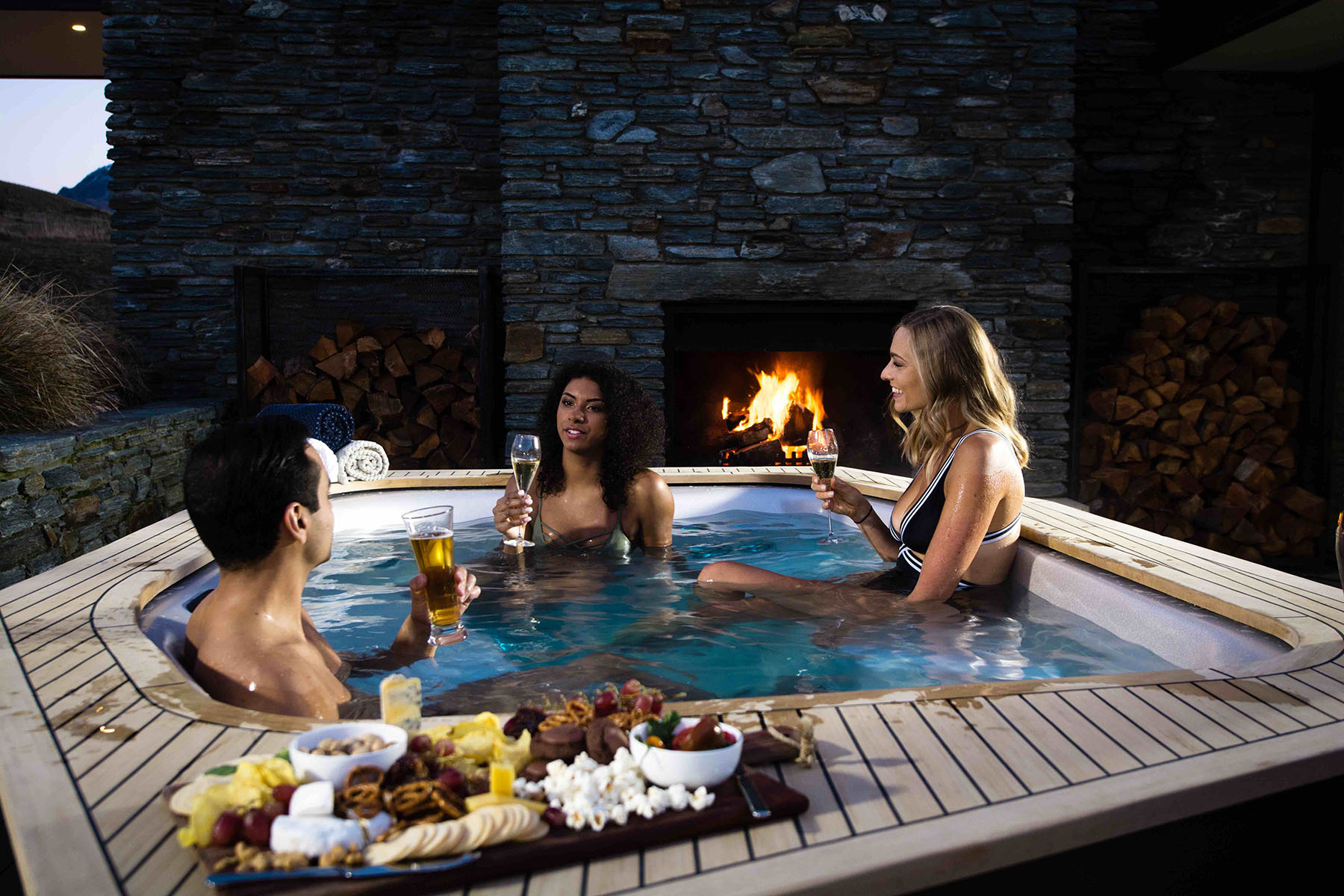
Best Hot Tubs UK 2026: Top 5 Brands Reviewed by an Industry Expert
Thinking of buying a hot tub? Anthony Schneikert has 20+ years in the industry and honestly reviews top 5 brands in the UK.
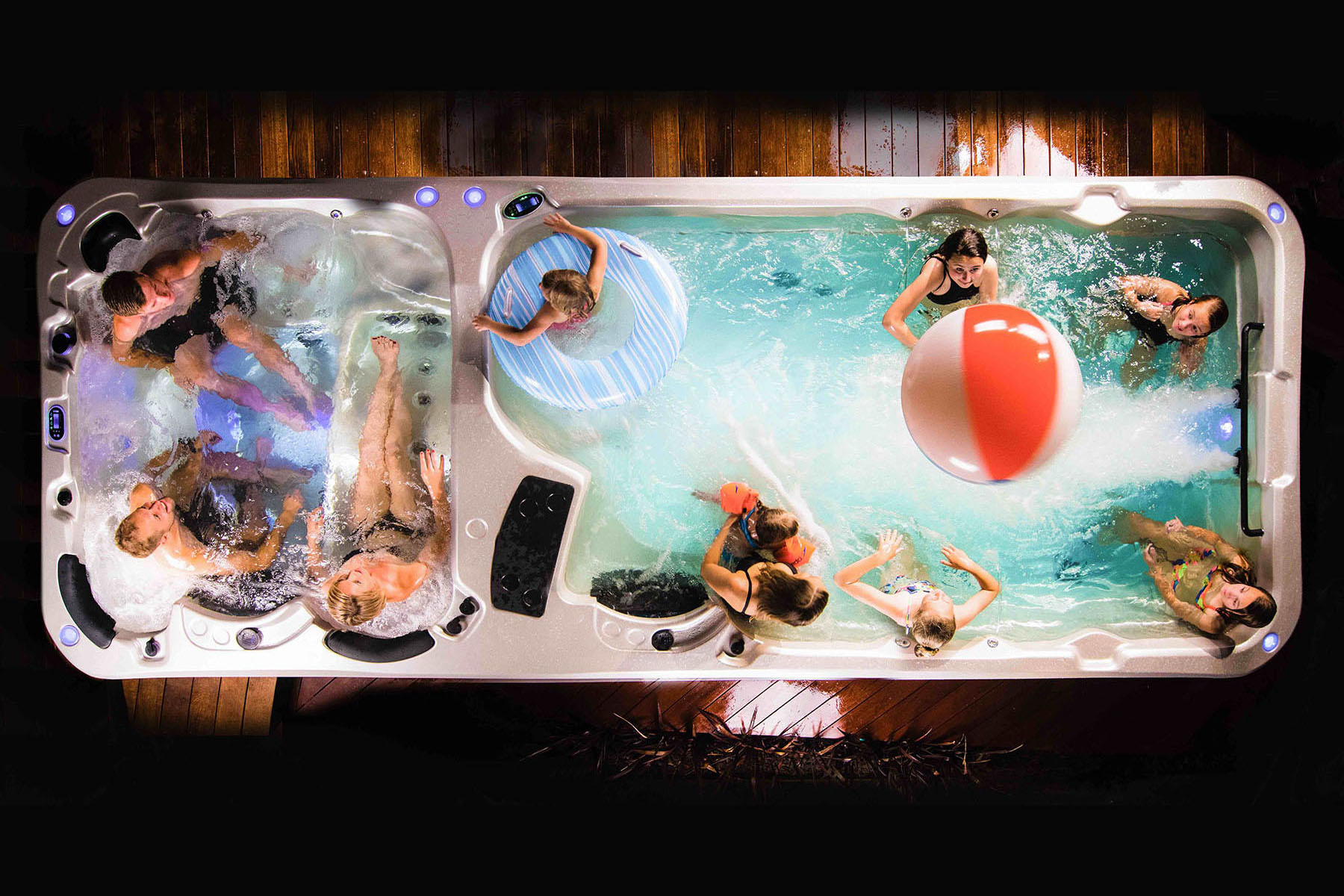
Best swim spas in the UK 2025 – Top 5 brands reviewed
You deserve pricing clarity, as you search for your spa solution.
Still have questions? Speak to a member of the Spa Solutions team, or locate your nearest retailer of our products.